Pipeline Coating Inspection Level 2 Course
Gain an ICorr accredited Pipeline Coating Inspection qualification online. Learn about coating inspection and corrosion prevention of pipelines across oil and gas, freshwater, diesel, petrol, and fuel pipeline industries.
16 hours
online learning
Online
multiple-choice exam
£650 course fee
+ exam fee & VAT*
Level 2 certification
approved by ICorr
Who is this course for?
Designed for professionals seeking to develop their coating inspection knowledge and understanding of corrosion prevention through protective coating systems, helping to extend the service life and integrity of pipeline assets.
Ideal for those involved in coating inspection, maintenance, quality assurance, or corrosion control across the oil and gas, petrochemical, fuel storage, freshwater, and pipeline industries.
Institute of Corrosion accreditation & recognition
The Institute of Corrosion (ICorr) is a leading professional body dedicated to advancing corrosion prevention and control through internationally recognised qualifications, training and professional standards.
Accredited by
Course Content
- Introduction to Pipelines and Pipeline Coatings
- Corrosion, Pipeline Corrosion, and Cathodic Protection
- Quality Assurance, Quality Control, and Safety
- Pipeline Inspector Duties and Inspection Practices
- Fusion Bonded Epoxy, Pipe, and Field Joint Coatings
- Product Testing, Environmental Considerations, and Industry Standards
Certification
ICorr Pipeline Coating Inspection Certificate of Achievement. Valid for 5 years.
Pricing
Total course cost:
£650 - Course fee
£175 - Online exam
* plus 20% VAT where applicable
Prerequisites
Level 1 Coating Inspection certificate
24 months of Level 1 Coating Inspection experience
Course Duration
16 hours of online study, concluding with a 90-minute monitored online multiple-choice final exam.
How The Course Works
1. Study Online
Approx. 8 hours of online learning.
2. Final Assessments
Completed online (monitored).
3. Get Certified
Pipeline Inspection Certificate of Achievement, valid for 5 years.
Course Syllabus
1. Pipeline Fundamentals & Corrosion Protection
Modules included:
- Pipelines Overview
- Basic and Pipeline Corrosion
- Cathodic Protection of Pipelines
- Cathodic Protection and Coatings
Learn the fundamentals of pipeline systems, corrosion mechanisms, and how coatings and cathodic protection are used to prevent pipeline deterioration.
2. Inspection, Safety & Quality Control
Modules included:
- Quality Assurance and Quality Control
- Safety and the Pipeline Inspector
- Pipeline Inspectors Duties
Develop an understanding of pipeline inspector responsibilities, workplace safety, and the importance of QA/QC within coating projects.
3. Environmental Conditions & Surface Preparation
Modules included:
- Relative Humidity, Dew Point and Steel Temperature
- Surface Preparation Prior to Application of Pipeline Coatings
- BS EN ISO 8501-1
- SSPC VIS 1
Learn how environmental conditions and surface preparation standards impact coating application, inspection, and long-term performance.
4. Pipeline Coating Systems & Applications
Modules included:
- Fusion Bonded Epoxy Coatings for Pipeline Protection
- Miscellaneous Pipeline Coatings
- Internal Coatings and Linings
- Wet Thermal Insulation
- Coatings
- Concrete Coatings
- Field Joint Coatings
- Case Study
Gain knowledge of the different coating systems used in pipeline protection, including application methods, inspection requirements, and specialist coating solutions.
5. Coating Testing & Environmental Considerations
Modules included:
- Pipeline Coatings Testing
- Volatile Organic Compounds
- Hazardous Waste
Understand coating testing procedures alongside key environmental and waste management considerations within the coatings industry.
6. Industry Standards & Recommended Practices
Modules included:
- DNVGL-RP-F106
- DNVGL-RP-F102
- NACE SP0394
- ISO 21809-1, 2 & 3
- ISO 12736
- ISO 15741 and API RP 5L2
- Miscellaneous Standards
Learn the international standards and recommended practices commonly used within the global pipeline coatings industry.
Build Your Career in Pipeline Coating Inspection
Add an ICorr accredited Pipeline Coating Inspection qualification to your CV and expand opportunities across the oil and gas, petrochemical, fuel, and pipeline industries.
Develop specialist knowledge in pipeline coatings, corrosion prevention, inspection practices, and industry standards to support career progression across major industrial projects worldwide.
Ready to enrol?
Student Success Stories
Frequently Asked Questions
Who is the Pipeline Coating Inspection Level 2 course for?
The course is designed for experienced Coating Inspectors who want to specialise in the inspection of protective coating systems used on pipelines.
What will I learn on the course?
The course covers pipeline corrosion, cathodic protection, surface preparation, fusion bonded epoxy, field joint coatings, inspection duties, quality control, testing and international standards.
What are the entry requirements?
Candidates require a Level 1 Coating Inspection certificate and at least 24 months of Level 1 coating inspection experience.
How long does the course take?
The course consists of approximately 16 hours of online study, followed by a 90-minute monitored online multiple-choice examination.
Which industries is this qualification relevant to?
Pipeline coating inspection skills are valuable across oil and gas, petrochemical, water, subsea and other industries that rely on coated pipelines.
What qualification will I receive?
Successful candidates receive the ICorr Pipeline Coating Inspector Certificate of Achievement, valid for five years.
How can this course progress my career?
The qualification allows experienced Coating Inspectors to demonstrate specialist pipeline knowledge, helping broaden the range of inspection projects and sectors in which they can work.
Courses You May Also be Interested In

Marine and Offshore Coating Inspection Course
Marine and offshore coating inspection training for vessels and offshore structures. Covering protective coating systems, surface preparation, DFT measurement and ISO/IMO standards.
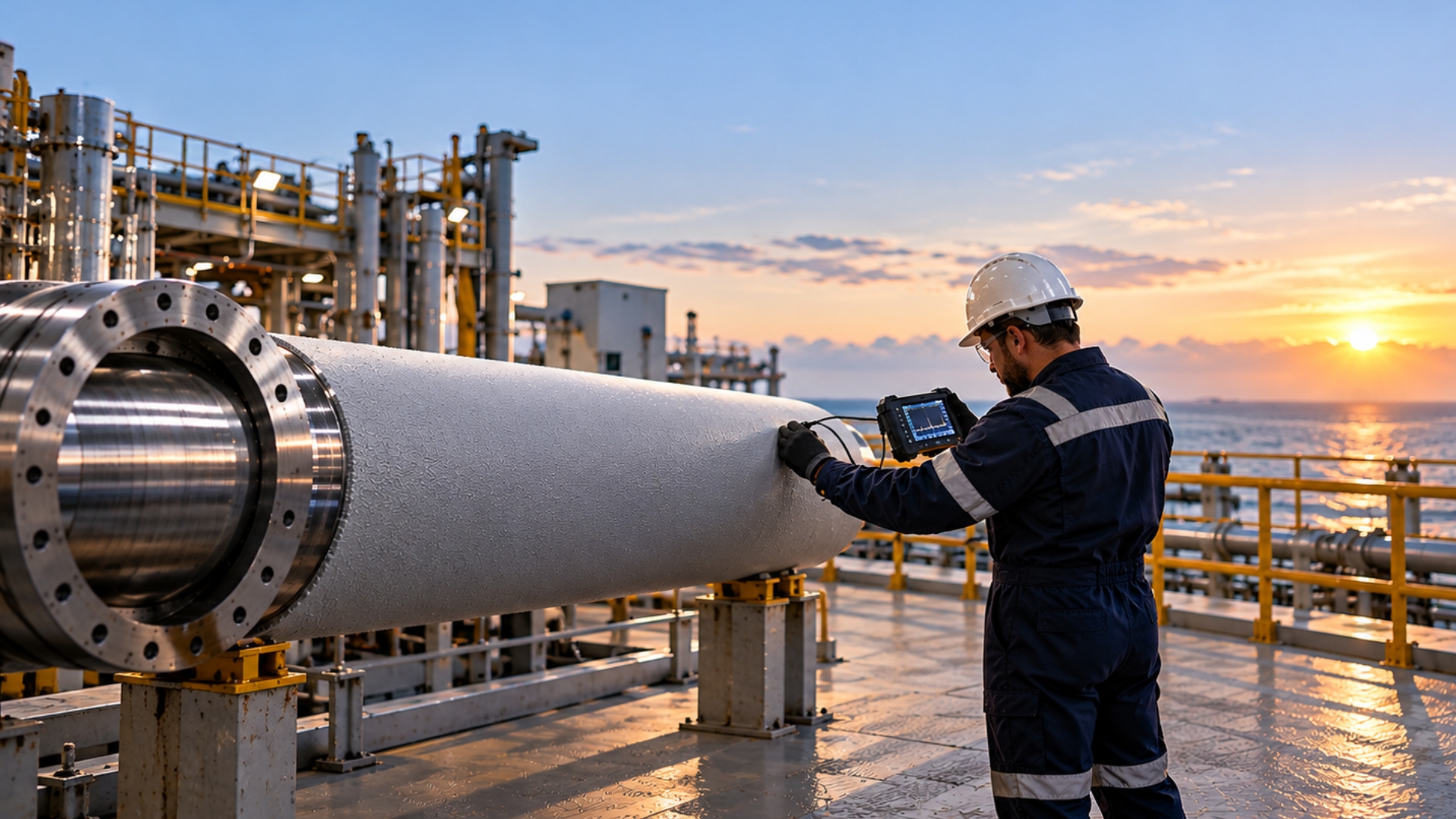
Insulation Inspection Level 2 Course
Insulation Inspection Level 2 specialist training in corrosion under insulation (CUI). Covering insulation systems, inspection techniques, deterioration and integrity assessment.
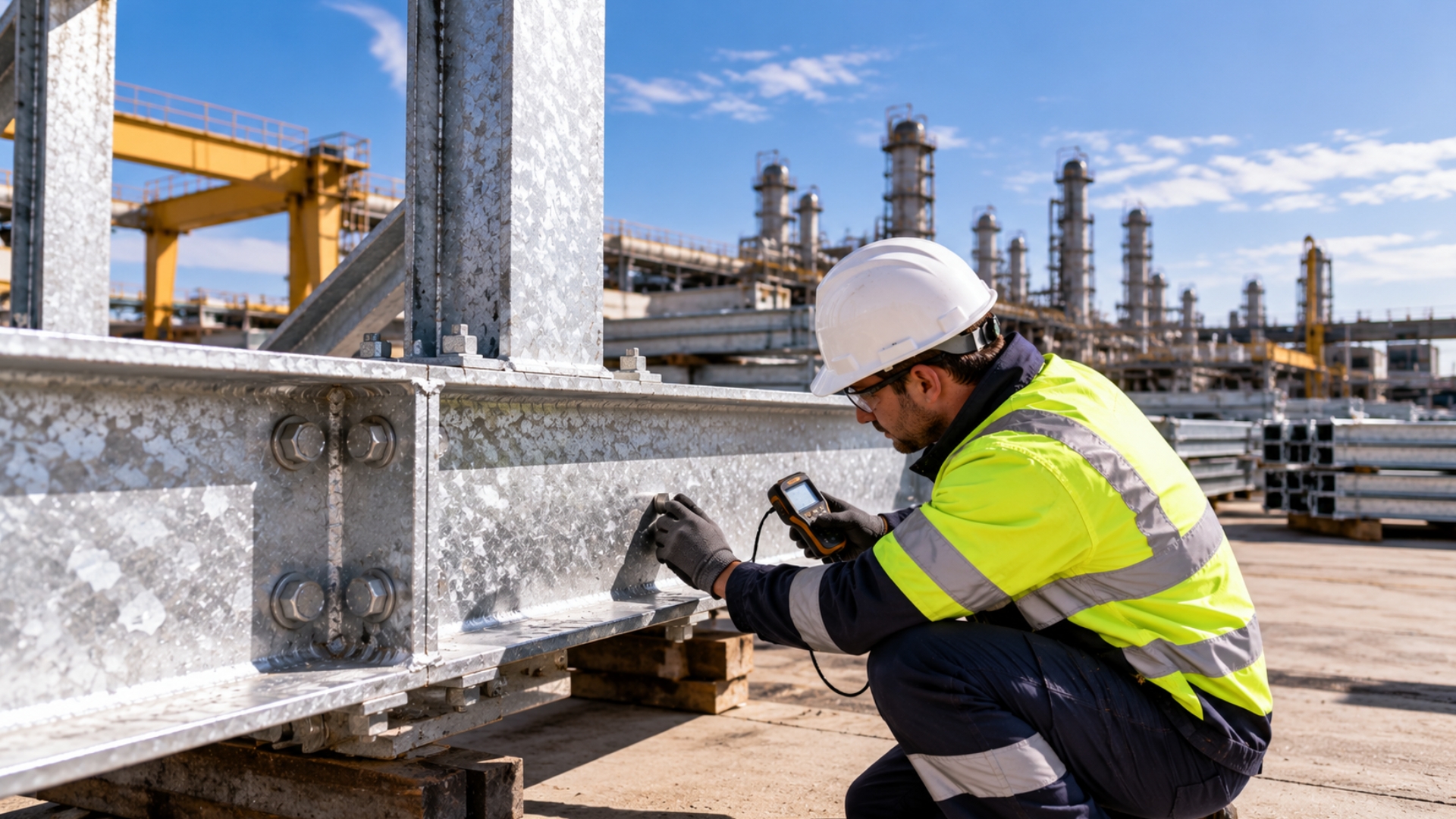
Hot Dip Galvanising Inspection Level 2 Course
Hot Dip Galvanising Inspection Level 2 training for galvanised steel coatings vocations. Covering coating thickness, surface condition, defect identification and quality requirements.
Thermal Metal Spraying Inspection Level 2 Course
Thermal Metal Spraying Inspection Level 2 training in protective metal coatings. Covering flame and arc spraying, surface preparation, coating thickness and inspection procedures.

Transition to ICorr
Transition to ICorr certification for existing qualified coating inspectors. Assessment of technical knowledge and professional competence against ICorr requirements.
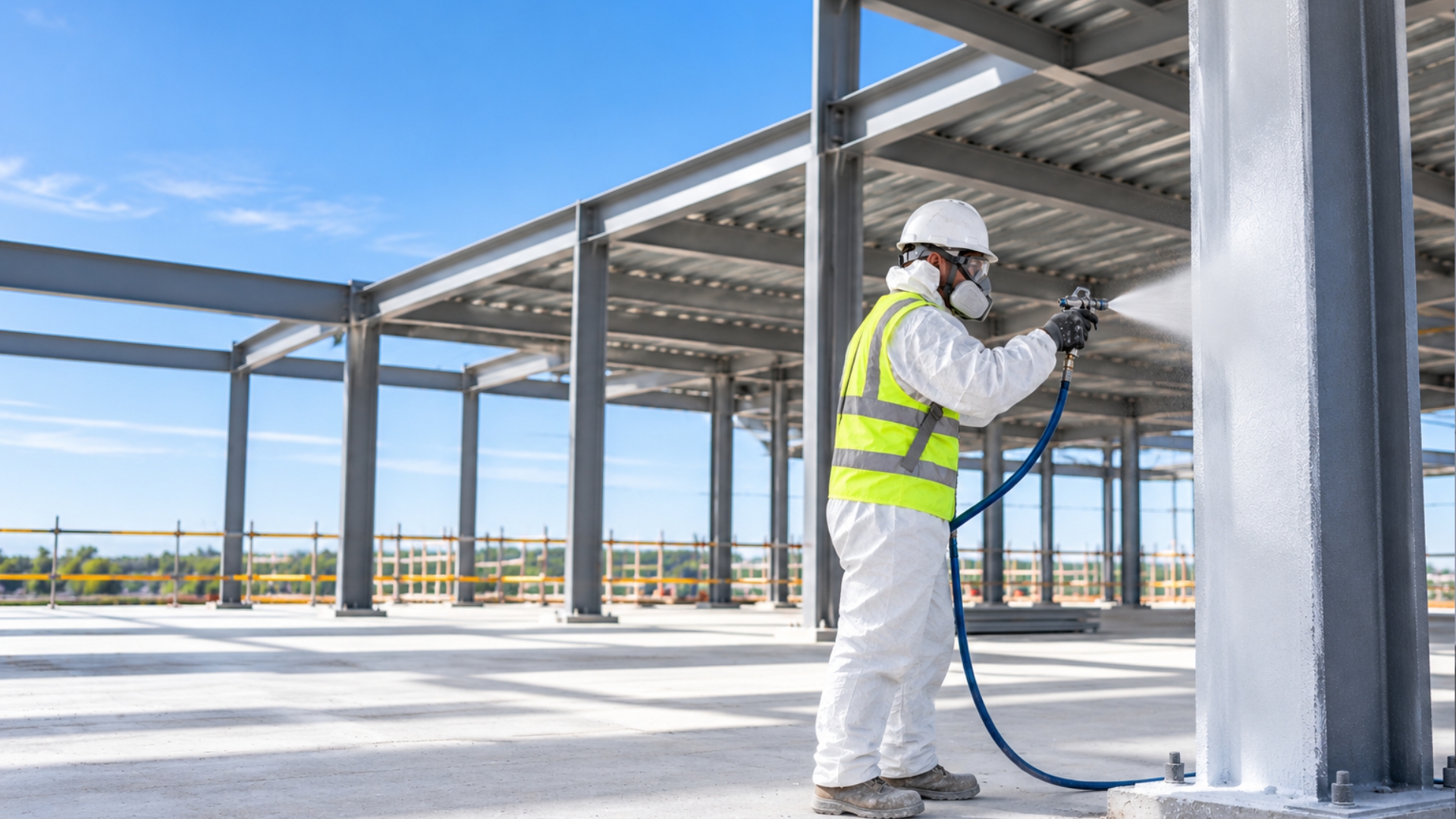
Thin Film Intumescent Coating Application Course
Thin film intumescent coating training for structural steel fire protection. Covering surface preparation, coating specifications, film thickness and application requirements.
PFPNET Passive Fire Protection PFP Inspection Level 2 Course
PFPNET Level 2 specialist inspection qualification for hydrocarbon industry fire protection. Covering PFP systems, application requirements, inspection procedures and quality control.
Fundamentals of Fireproofing Coating & Inspection course
Fundamentals of Fireproofing Coating & Inspection training in passive fire protection. Covering fireproofing materials, coating application, inspection procedures and quality requirements.
Coating Surveys Course
Coating surveys training for assessing protective coating condition & performance. Covering survey techniques, coating deterioration, condition reporting & maintenance recommendations.
Corrosion Management Course
Corrosion management training for industrial asset protection. Covering corrosion identification, prevention strategies & risk assessment to improve asset reliability and service life.
Corrosion Under Insulation Course
Corrosion under insulation (CUI) training for industrial assets & infrastructure. Covering corrosion mechanisms, inspection techniques, risk identification & deterioration management.